It’s important to note that some chemicals in cosmetics can be controversial and have potential health risks. It’s always a good idea to research the ingredients in a cosmetic product before using it and to choose products that are free of potentially harmful chemicals.
Many cosmetics contain a variety of chemical ingredients, each with its own specific function. Here are some commonly used chemicals and their uses in cosmetics:
1. Alcohols: Alcohols, such as ethanol and isopropyl alcohol, are used as solvents to help dissolve other ingredients in a cosmetic product. They can also help to improve the absorption of other ingredients and to enhance the product’s spreadability.
2. Surfactants: Surfactants, such as sodium lauryl sulfate, are used as emulsifiers to help blend oil- and water-based ingredients in a cosmetic product. They can also be used as cleansing agents to help remove dirt, oil, and makeup from the skin.
3. Preservatives: Preservatives, such as Parabens, are used to help prevent the growth of bacteria, mold, and yeast in cosmetic products. This helps to extend the shelf life of the product and to ensure its safety for use.
4. Emollients: Emollients, such as petrolatum and glycerin, are used to moisturize and soften the skin. They can help to reduce the appearance of fine lines and wrinkles and to improve the skin’s overall texture and tone.
5. Humectants: Humectants, such as hyaluronic acid and glycerin, are used to help the skin retain moisture. They can help to prevent dryness and to keep the skin looking and feeling hydrated.
6. Sunscreen agents: Sunscreen agents, such as oxybenzone and Octinoxate, are used to protect the skin from harmful UV rays. They can help to prevent sunburn and skin damage and to reduce the risk of skin cancer.
7. Fragrances: Fragrances are used to add a pleasant scent to a cosmetic product. They are often a combination of natural and synthetic ingredients.
8. Antioxidants: Antioxidants, such as vitamin C and E, are used to help protect the skin from damage caused by free radicals. They can help to prevent premature aging and to improve the skin’s overall health and appearance.
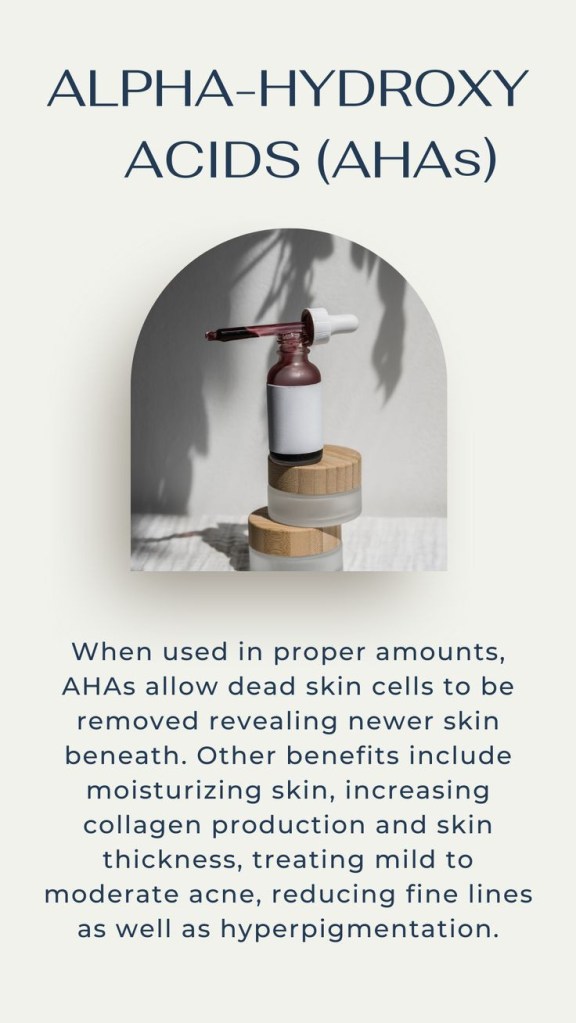
9. Exfoliants: Exfoliants, such as alpha-hydroxy acids (AHAs) and beta-hydroxy acids (BHAs), are used to remove dead skin cells and to improve the texture and tone of the skin. They can help to reduce the appearance of fine lines, wrinkles, and acne scars.
10. Silicones: Silicones, such as Dimethicone, are used as a skin-conditioning agent to help improve the skin’s texture and appearance. They can help to fill in fine lines and wrinkles, to create a smooth and even complexion, and to improve the spreadability and feel of a cosmetic product.
11. Dyes: Dyes, such as FD&C Yellow No. 5, are used to add color to cosmetic products. They can help to enhance the product’s appearance and to create a more visually appealing product.
12. Thickening agents: Thickening agents, such as xanthan gum, are used to control the consistency and viscosity of a cosmetic product. They can help to create a more spreadable and easy-to-apply product that adheres well to the skin.
13. Absorbing agents: Absorbing agents, such as talc, are used to help control oil production in the skin. They can help to reduce the appearance of shiny skin and to create a matte finish.
It’s important to be mindful of the ingredients in your cosmetic products and to choose those that are appropriate for your skin type and concerns. If you have any concerns or allergies, it’s best to consult a dermatologist or other healthcare professional.
Like 💖 Comment ✍️ and Share..
 Skin Beauty
Leave a comment